Why Trekking is the Ultimate Adventure Experience

 Trekking is not just a physical activity; it’s an immersive experience that takes you out of your comfort zone, connects you with nature, and challenges your endurance. Whether you’re traversing the rugged trails of the Himalayas or exploring the lush rainforests of South America, trekking provides an unparalleled sense of adventure. In this blog, we’ll explore why trekking is the ultimate adventure experience, covering its physical, mental, and emotional benefits, along with practical insights to get you started.
What Makes Trekking Unique?

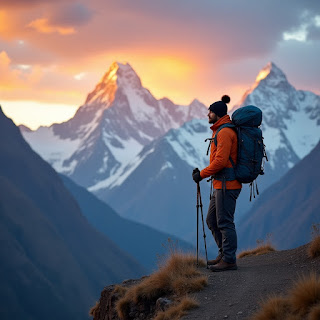
Trekking is more than walking; it’s about immersing yourself in the environment. Unlike casual hikes, treks often involve multi-day journeys through diverse terrains, requiring preparation, determination, and adaptability. The thrill of trekking lies in its unpredictability, where every turn offers new vistas, challenges, and opportunities for self-discovery.

1. Unmatched Connection with Nature

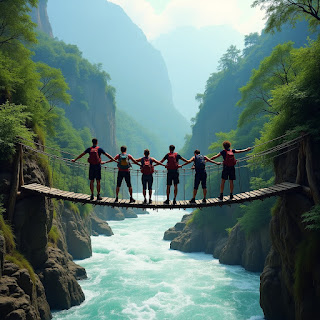
One of the most profound aspects of trekking is the deep connection with nature. Trekking trails often lead to remote and pristine landscapes, far from the hustle and bustle of urban life.
Popular Destinations:

  • Himalayas: Home to iconic trails like the Everest Base Camp and Annapurna Circuit.
  • Andes Mountains: Discover the mystical Inca Trail leading to Machu Picchu.
  • Alps: Breathtaking trails like the Tour du Mont Blanc.

Keywords: trekking in the Himalayas, best trekking destinations, nature trails

Whether you’re trekking through alpine meadows, dense forests, or arid deserts, you’re constantly reminded of the raw beauty and power of nature.

2. Physical Benefits of Trekking

Trekking is a full-body workout that boosts cardiovascular health, strengthens muscles, and improves flexibility. Climbing steep ascents and descending rugged paths engage your legs, core, and even your arms when using trekking poles.

Health Benefits:

  • Improved Stamina: Trekking improves endurance levels.
  • Weight Management: Burn calories while enjoying scenic landscapes.
  • Bone Strength: Regular trekking strengthens bones and joints.

Keywords: health benefits of trekking, fitness through trekking, trekking for beginners.

3. Mental and Emotional Resilience

Trekking isn’t just about physical exertion; it’s a mental game. Overcoming challenges like altitude sickness, unpredictable weather, and long hours of walking teaches perseverance and adaptability.

Mental Benefits:

  • Stress Relief: Nature’s tranquility reduces stress and anxiety.
  • Enhanced Focus: Navigating trails sharpens problem-solving skills.
  • Self-Confidence: Achieving trekking milestones boosts self-esteem.

Keywords: mental health benefits of trekking, adventure therapy, stress relief in nature.

4. Cultural Immersion

Many trekking routes pass through villages and communities that offer a glimpse into local cultures and traditions. Staying in tea houses in Nepal, interacting with Andean communities in Peru, or sharing stories with fellow trekkers fosters a sense of global connection.

Cultural Highlights:

  • Nepal: Experience Sherpa hospitality and Himalayan traditions.
  • Peru: Learn about the Inca civilization.
  • India: Explore spiritual landscapes in Ladakh and Himachal Pradesh.

Keywords: cultural trekking experiences, trekking with locals, authentic travel experiences.

5. Adventure Beyond the Ordinary

Unlike other outdoor activities, trekking takes you to places inaccessible by roads or vehicles. It’s an adventure that pushes you beyond the ordinary, offering unique experiences like camping under starlit skies or crossing suspension bridges over gushing rivers.

Unique Adventures:

  • Camping in the Wilderness: Fall asleep to the sounds of nature.
  • River Crossings: Test your balance and courage.
  • Summit Views: Rewarding vistas after days of trekking.

Keywords: unique trekking experiences, wilderness adventures, trekking challenges.

6. Sustainable Adventure

Trekking, when done responsibly, promotes sustainable tourism. Choosing eco-friendly trekking companies and respecting local environments ensures that future generations can also enjoy these trails.

Sustainability Tips:

  • Leave No Trace: Minimize your environmental impact.
  • Support Local Communities: Use local guides and services.
  • Eco-Friendly Gear: Invest in reusable and sustainable trekking equipment.

Keywords: sustainable trekking, eco-friendly travel, responsible tourism

7. Preparing for Your Trekking Adventure

Essential Gear:

  • Backpack: Choose a durable, comfortable one.
  • Clothing: Layered clothing for varying weather.
  • Footwear: Invest in high-quality trekking boots.

Training Tips:

  • Start with short hikes to build stamina.
  • Strengthen your legs with exercises like squats and lunges.
  • Practice carrying a loaded backpack.

Keywords: trekking gear checklist, trekking preparation tips, beginner trekking guide

8. Top Trekking Destinations to Add to Your Bucket List

Himalayas:

  • Everest Base Camp, Nepal
  • Annapurna Circuit, Nepal

Keywords: top trekking destinations, best trekking routes, global trekking trails

9. Stories from the Trail

Every trekker has tales of resilience, joy, and awe. From encountering rare wildlife to witnessing unforgettable sunrises, the memories forged during treks are truly special.

Share Your Stories:

  • Inspire others with your trekking experiences.
  • Document your journey through photos and journals.

Keywords: trekking stories, trekking inspiration, adventure travel tales

Conclusion

Trekking is the ultimate adventure experience because it combines physical endurance, mental resilience, and a deep connection with nature. It’s a journey that rewards you with breathtaking views, cultural insights, and personal growth. Whether you’re a seasoned trekker or a beginner looking for your next adventure, trekking promises an experience that stays with you for a lifetime.

Ready to embark on your next trekking adventure? Let the trails guide you to unforgettable memories! Book Now:  

Mental Benefits:

  • Stress Relief: Nature’s tranquility reduces stress and anxiety.
  • Enhanced Focus: Navigating trails sharpens problem-solving skills.
  • Self-Confidence: Achieving trekking milestones boosts self-esteem.

Keywords: mental health benefits of trekking, adventure therapy, stress relief in nature.

4. Cultural Immersion

Many trekking routes pass through villages and communities that offer a glimpse into local cultures and traditions. Staying in tea houses in Nepal, interacting with Andean communities in Peru, or sharing stories with fellow trekkers fosters a sense of global connection.

Cultural Highlights:

  • Nepal: Experience Sherpa hospitality and Himalayan traditions.
  • Peru: Learn about the Inca civilization.
  • India: Explore spiritual landscapes in Ladakh and Himachal Pradesh.

Keywords: cultural trekking experiences, trekking with locals, authentic travel experiences.

5. Adventure Beyond the Ordinary

Unlike other outdoor activities, trekking takes you to places inaccessible by roads or vehicles. It’s an adventure that pushes you beyond the ordinary, offering unique experiences like camping under starlit skies or crossing suspension bridges over gushing rivers.

Unique Adventures:

  • Camping in the Wilderness: Fall asleep to the sounds of nature.
  • River Crossings: Test your balance and courage.
  • Summit Views: Rewarding vistas after days of trekking.

Keywords: unique trekking experiences, wilderness adventures, trekking challenges.

6. Sustainable Adventure

Trekking, when done responsibly, promotes sustainable tourism. Choosing eco-friendly trekking companies and respecting local environments ensures that future generations can also enjoy these trails.

Sustainability Tips:

  • Leave No Trace: Minimize your environmental impact.
  • Support Local Communities: Use local guides and services.
  • Eco-Friendly Gear: Invest in reusable and sustainable trekking equipment.

Keywords: sustainable trekking, eco-friendly travel, responsible tourism

7. Preparing for Your Trekking Adventure

Essential Gear:

  • Backpack: Choose a durable, comfortable one.
  • Clothing: Layered clothing for varying weather.
  • Footwear: Invest in high-quality trekking boots.

Training Tips:

  • Start with short hikes to build stamina.
  • Strengthen your legs with exercises like squats and lunges.
  • Practice carrying a loaded backpack.

Keywords: trekking gear checklist, trekking preparation tips, beginner trekking guide

8. Top Trekking Destinations to Add to Your Bucket List

Himalayas:

  • Everest Base Camp, Nepal
  • Annapurna Circuit, Nepal

Keywords: top trekking destinations, best trekking routes, global trekking trails

9. Stories from the Trail

Every trekker has tales of resilience, joy, and awe. From encountering rare wildlife to witnessing unforgettable sunrises, the memories forged during treks are truly special.

Share Your Stories:

  • Inspire others with your trekking experiences.
  • Document your journey through photos and journals.

Keywords: trekking stories, trekking inspiration, adventure travel tales

Conclusion

Trekking is the ultimate adventure experience because it combines physical endurance, mental resilience, and a deep connection with nature. It’s a journey that rewards you with breathtaking views, cultural insights, and personal growth. Whether you’re a seasoned trekker or a beginner looking for your next adventure, trekking promises an experience that stays with you for a lifetime.

Ready to embark on your next trekking adventure? Let the trails guide you to unforgettable memories!

Beginner's Guide to Trekking in the Himalayas

 Embarking on a trek in the Himalayas is a dream for adventurers worldwide. Known for its towering peaks, serene landscapes, and cultural richness, the Himalayas offer an unparalleled experience. For beginners, the thought of venturing into these majestic mountains might seem daunting. This guide will help you prepare for a successful and memorable Himalayan trek.

Why Trek the Himalayas?

The Himalayas are home to some of the world’s most iconic trekking routes, including the Everest Base Camp, Annapurna Circuit, and Langtang Valley. Here’s why they’re perfect for beginners:

  1. Diverse Trails: From easy trails like Poon Hill to challenging treks like Gokyo Lakes, there’s something for everyone.
  2. Cultural Immersion: Encounter ancient monasteries, vibrant local traditions, and warm hospitality.
  3. Breathtaking Scenery: Experience panoramic views of snow-capped peaks, alpine meadows, and pristine rivers.

Highlights of Trekking in the Himalayas:

  1. Breathtaking Scenery: Snow-capped peaks, lush valleys, and serene alpine lakes.
  2. Cultural Immersion: Discover ancient monasteries, vibrant festivals, and unique mountain traditions.
  3. Physical Challenge: Push your limits and experience personal growth.
  4. Wildlife Encounters: Spot rare species like red pandas, Himalayan tahrs, and snow leopards.

Preparing for Your Himalayan Trek

Physical Fitness:

Building strength, endurance, and flexibility is essential. Start training at least 2–3 months before your trek:

  1. Cardio Workouts: Running, cycling, or swimming to improve stamina.
  2. Strength Training: Focus on legs, core, and shoulders with squats, lunges, and planks.
  3. Hiking Practice: Go on local hikes with a loaded backpack to simulate trekking conditions.

Packing Essentials:

Packing wisely ensures comfort and safety during your trek. Here’s a checklist:

  1. Clothing:
  • Moisture-wicking base layers
  • Insulating mid-layers (fleece or down jacket)
  • Waterproof outer shell (jacket and pants)
  • Comfortable trekking pants and shirts
  • Woolen hat, gloves, and socks
  1. Footwear:
  • Sturdy trekking boots (well-broken-in)
  • Gaiters (optional for snow or rain)
  1. Gear:
  • Backpack (40–60L) with rain cover
  • Trekking poles
  • Sleeping bag (rated for the season)
  • Headlamp with extra batteries
  1. Accessories:
  • Sunglasses with UV protection
  • Sunscreen and lip balm (SPF 30+)
  • Water bottles or hydration bladder (2–3L capacity)
  • Personal first aid kit
  1. Miscellaneous:
  • Snacks and energy bars
  • Lightweight camera or smartphone for photos
  • Power bank for electronic devices
  • Travel documents (permits, ID, and insurance)

Understanding Altitude Sickness

Altitude sickness, or Acute Mountain Sickness (AMS), is a common concern for trekkers. Symptoms include headaches, nausea, and fatigue. To avoid AMS:

  1. Ascend Gradually: Limit altitude gains to 300–500m per day above 3,000m.
  2. Hydrate: Drink plenty of water and avoid alcohol.
  3. Acclimatize: Take rest days to allow your body to adjust.
  4. Medications: Consult your doctor about preventive medicines like Diamox.

Navigating Himalayan Trails

Hiring Guides and Porters:

  • Benefits of a Guide: Local expertise, safety, and cultural insights.
  • Porters: Lighten your load by hiring a porter to carry your heavier gear.

Trekking Permits:

Ensure you have the required permits, such as:

  • TIMS Card (Nepal): Trekkers Information Management System card.
  • National Park Permits: Required for protected areas.
  • Restricted Area Permits: Necessary for certain regions (e.g., Upper Mustang).

Best Seasons for Himalayan Trekking

Spring (March-May):

  • Pros: Blooming rhododendrons, mild temperatures, and clear skies.
  • Cons: Popular routes can be crowded.

Autumn (September-November):

  • Pros: Best weather conditions with clear views and stable temperatures.
  • Cons: High season means higher costs and busier trails.

Winter (December-February):

  • Pros: Quiet trails and stunning snow-covered landscapes.
  • Cons: Cold temperatures and limited accessibility to some routes.

Summer/Monsoon (June-August):

  • Pros: Best for rain-shadow areas like Upper Mustang.
  • Cons: Rain, leeches, and slippery trails in lower regions.

Staying Safe While Trekking

  1. Stick to Marked Trails: Avoid shortcuts to prevent getting lost.
  2. Respect Local Customs: Be mindful of cultural practices and traditions.
  3. Stay Hydrated and Fueled: Regularly eat and drink to maintain energy levels.
  4. Monitor Weather Conditions: Be prepared for sudden changes.
  5. Emergency Preparedness: Carry a first aid kit and know basic survival skills.

Conclusion

Trekking in the Himalayas as a beginner is a rewarding journey that combines adventure, culture, and natural beauty. With proper preparation, the right trek, and a positive mindset, your Himalayan adventure can be the first of many incredible experiences in the mountains. Start planning today and take your first step toward the adventure of a lifetime!

Book now ! https://www.visitmount.com/

Top Trekking Destinations in Nepal for 2025: A Guide for Adventure Seekers

Nepal, the land of towering peaks and serene landscapes, has long been a dream destination for trekkers and adventure enthusiasts. With its diverse trails, breathtaking views, and rich cultural heritage, Nepal offers a trekking experience like no other. If you're planning your next big adventure in 2025, this guide highlights the top trekking destinations in Nepal that promise to leave you mesmerized. And if you're looking for expert guidance, VisitMount is the trekking and travel company to trust for an unforgettable journey.

Why Trek in Nepal?

Nepal is home to eight of the world’s ten highest peaks, including Mount Everest, making it a haven for trekkers and mountaineers. The country’s diverse geography offers everything from snow-covered mountains to lush green valleys and arid highlands. Trekking in Nepal isn’t just about conquering trails; it’s a journey through vibrant cultures, ancient traditions, and breathtaking natural beauty.

Moreover, Nepal’s commitment to sustainable tourism ensures that trekkers can explore these wonders responsibly. With the support of companies like VisitMount, you’ll experience a seamless blend of adventure and cultural immersion. Let’s dive into the top trekking destinations in Nepal for 2025.

1. Everest Base Camp Trek

The Everest Base Camp (EBC) trek is one of the most iconic trekking experiences in the world. The trail takes you through picturesque Sherpa villages, suspension bridges adorned with prayer flags, and the awe-inspiring Khumbu Icefall. Along the way, trekkers can enjoy panoramic views of Everest, Lhotse, and Nuptse.

  • Difficulty Level: Moderate to challenging

  • Best Time to Visit: March-May and September-November

  • Highlights:

    • Tengboche Monastery: A serene spiritual stop with a backdrop of Everest.

    • Kala Patthar: The best vantage point for sunrise views of Everest.

    • Namche Bazaar: A bustling Sherpa town perfect for acclimatization.

With VisitMount, you’ll have access to experienced guides who will ensure your safety and make the trek an enriching experience.

2. Annapurna Circuit Trek

Known for its incredible diversity in landscapes, the Annapurna Circuit Trek takes you around the majestic Annapurna Massif. From lush subtropical forests to high-altitude deserts, this trek offers a unique blend of natural beauty and cultural encounters.


  • Difficulty Level: Moderate

  • Best Time to Visit: October-November and March-April

  • Highlights:

    • Thorong La Pass: A thrilling high-altitude crossing at 5,416 meters.

    • Tilicho Lake: One of the world’s highest-altitude lakes.

    • Muktinath Temple: A sacred site for Hindus and Buddhists.

VisitMount provides personalized itineraries and ensures that trekkers are well-prepared for the varying terrains of the Annapurna Circuit.

3. Langtang Valley Trek

The Langtang Valley Trek is perfect for those seeking a quieter trail with equally stunning views. Often referred to as the "Valley of Glaciers," Langtang offers a mix of natural beauty and cultural immersion.

  • Difficulty Level: Easy to moderate

  • Best Time to Visit: April-May and October-November

  • Highlights:

    • Kyanjin Gompa: A beautiful monastery surrounded by snow-capped peaks.

    • Langtang Glacier: A stunning natural wonder.

    • Tamang Heritage Trail: Explore the culture and traditions of the Tamang people.

VisitMount ensures you experience the best of Langtang, with expert guides and thoughtfully curated routes.

4. Manaslu Circuit Trek

The Manaslu Circuit Trek is a hidden gem for trekkers seeking an off-the-beaten-path adventure. This trail circles Mount Manaslu, the world’s eighth-highest peak, offering a pristine and less crowded trekking experience.

  • Difficulty Level: Challenging

  • Best Time to Visit: March-May and September-November

  • Highlights:

    • Larkya La Pass: A thrilling high mountain pass at 5,106 meters.

    • Tibetan Villages: Unique cultural experiences in remote communities.

    • Budi Gandaki River Gorge: A dramatic and scenic river valley.

With VisitMount, you can explore the remote beauty of Manaslu with confidence, knowing every detail is expertly managed.

5. Ghorepani Poon Hill Trek

Short on time but still want a taste of Nepal’s trekking magic? The Ghorepani Poon Hill Trek is a fantastic option. This relatively easy trek offers stunning views of the Annapurna and Dhaulagiri ranges, especially during sunrise.

  • Difficulty Level: Easy

  • Best Time to Visit: February-April and October-December

  • Highlights:

    • Poon Hill: Famous for its panoramic sunrise views.

    • Rhododendron Forests: Vibrant blooms in the spring season.

    • Gurung Villages: Warm hospitality and cultural encounters.

VisitMount offers flexible itineraries, making this trek accessible to beginners and families.

6. Upper Mustang Trek

The Upper Mustang Trek takes you to the "Last Forbidden Kingdom," a region that feels like stepping into another era. The unique landscapes of Upper Mustang resemble the Tibetan Plateau, with arid deserts, ancient caves, and centuries-old monasteries.

  • Difficulty Level: Moderate

  • Best Time to Visit: March-November

  • Highlights:

    • Lo Manthang: A walled city with a rich history and culture.

    • Sky Caves: Ancient caves used for meditation and burial sites.

    • Tibetan Culture: Deeply rooted traditions and festivals.

VisitMount ensures all permits and logistics are handled smoothly, allowing you to fully immerse yourself in this unique experience.

7. Kanchenjunga Base Camp Trek

For experienced trekkers looking for a remote and challenging trail, the Kanchenjunga Base Camp Trek is an unparalleled adventure. This trek takes you to the base of the world’s third-highest peak, offering dramatic landscapes and incredible biodiversity.

  • Difficulty Level: Very challenging

  • Best Time to Visit: April-May and October-November

  • Highlights:

    • Yalung Glacier: A breathtaking glacial wonder.

    • Rare Wildlife: Spot red pandas, snow leopards, and Himalayan black bears.

    • Traditional Villages: Encounter Rai and Limbu communities.

VisitMount provides the expertise needed for this demanding trek, ensuring safety and unforgettable memories.

What Makes VisitMount Stand Out?

Choosing the right trekking company can make or break your Nepal trekking experience. Here’s why VisitMount should be your go-to choice:

  1. Experienced Guides: All guides are certified, multilingual, and deeply familiar with Nepal’s trails.

  2. Tailored Packages: Whether you’re a seasoned trekker or a beginner, VisitMount designs itineraries that suit your needs.

  3. Sustainability Focus: VisitMount is committed to eco-friendly practices, ensuring that the natural beauty of Nepal remains preserved.

  4. Comprehensive Services: From permits to accommodation and transportation, VisitMount handles all logistics.

  5. Safety First: With well-trained staff and emergency protocols in place, your safety is always prioritized.

Trekking Tips for 2025

  • Plan Ahead: Popular trails like EBC and Annapurna Circuit can get crowded. Book early to secure permits and accommodations.

  • Train for Your Trek: Depending on the trek’s difficulty, prepare with cardio, strength training, and hiking practice.

  • Pack Smart: Essentials include sturdy trekking boots, layered clothing, a good sleeping bag, and a first-aid kit.

  • Respect Local Culture: Always ask for permission before taking photos and follow cultural norms.

  • Stay Hydrated and Acclimatize: Altitude sickness is a real risk. Ascend slowly and drink plenty of water.

Final Thoughts

Nepal’s trekking trails are unmatched in beauty and diversity, offering something for everyone, from seasoned adventurers to first-time trekkers. Whether it’s the allure of Everest Base Camp, the cultural richness of Annapurna, or the mystique of Upper Mustang, Nepal’s trails promise unforgettable memories. With the expertise of VisitMount, your 2025 trekking adventure will be safe, enriching, and truly magical.

Start planning your dream trek today with VisitMount, and let the Himalayas inspire your soul!

Exploring the Nar Phu Valley Trek: Culture, Cuisine, and Language

 The Nar Phu Valley Trek is a hidden gem tucked away in the Annapurna region of Nepal. It offers trekkers a unique blend of unspoiled natural beauty, rich cultural experiences, and a glimpse into the traditional lifestyle of remote Himalayan communities. This blog delves into the fascinating culture, delicious cuisine, and the local language that make the Nar Phu Valley Trek an unforgettable adventure.

A Journey Through Untouched Beauty

The Nar Phu Valley Trek is renowned for its dramatic landscapes, ranging from rugged mountains and pristine glaciers to deep gorges and high-altitude deserts. Situated north of the Annapurna Circuit, the trek remains less traversed, making it a perfect choice for those seeking solitude and authenticity. The trek typically spans 12 to 15 days, starting from Koto and encompassing Nar and Phu villages before concluding at either the Annapurna Circuit or the Thorong La Pass.

Cultural Richness of Nar and Phu Villages

Nar and Phu are ancient villages that offer a unique window into Tibetan-influenced Himalayan culture. These villages have remained relatively isolated from modernity, preserving their traditional customs and lifestyles.

Tibetan Buddhism and Spiritual Heritage

The Nar Phu region is deeply rooted in Tibetan Buddhism. Monasteries, chortens (stupas), and prayer wheels dot the landscape, and colorful prayer flags flutter in the wind, carrying spiritual blessings across the valleys. The Tashi Lhakhang Monastery in Phu is a significant spiritual site where trekkers can witness monks engaged in meditation and prayer rituals.

Festivals and Celebrations

The region's festivals are a vibrant expression of its culture. The Lhosar Festival, which marks the Tibetan New Year, is celebrated with great enthusiasm. Villagers don traditional attire, perform dances, and prepare special feasts. For those trekking during the festival season, it’s a chance to immerse themselves in the local community’s joyous traditions.

The Cuisine of Nar Phu Valley

Food plays a central role in the Nar Phu Valley Trek, offering a delightful introduction to Himalayan flavors. Meals are hearty and designed to provide the energy needed for high-altitude trekking.

Traditional Dishes

  1. Dal Bhat: A staple meal in Nepal, dal bhat consists of lentil soup, steamed rice, and vegetable curry. It is often accompanied by pickles and papadum. Trekkers swear by its nutritional value and replenishing qualities.

  2. Thukpa: A Tibetan-style noodle soup, thukpa is a comforting dish prepared with fresh vegetables, spices, and sometimes yak meat.

  3. Tsampa: A roasted barley flour dish, tsampa is mixed with tea or milk to create a nourishing and quick meal.

  4. Yak Products: The region is known for yak cheese and butter, both of which are used in various dishes and drinks. Butter tea, a Tibetan specialty, is a must-try for its rich and unique flavor.

Local Ingredients

The high-altitude terrain limits agricultural production, but locals grow barley, potatoes, and buckwheat. These ingredients form the base of many dishes. Foraged herbs and spices also play a role in enhancing the flavors of local cuisine.

Language in Nar Phu Valley

The Nar Phu region offers an opportunity to engage with the local dialects and linguistic heritage of the Himalayan people.

Tibetan Influence

The primary language spoken in Nar and Phu is a Tibetan dialect, reflecting the region’s historical and cultural ties with Tibet. While the dialect may vary slightly between the villages, it remains mutually intelligible.

Nepali as a Lingua Franca

Nepali serves as the national language of Nepal and is widely spoken throughout the region. Trekking guides and tea house owners are often fluent in Nepali and English, facilitating communication with visitors.

Common Phrases

Learning a few basic phrases can enhance your trekking experience and help you connect with locals:

  • Tashi Delek (ताशी देलेक): A Tibetan greeting meaning “Blessings and good luck.”

  • Namaste (नमस्ते): A common Nepali greeting meaning “I salute the divine in you.”

  • Dhanyabad (धन्यवाद): Thank you.

  • Pani Chha? (पानी छ?): Do you have water?

Preparing for the Trek

Understanding the cultural nuances and language of the Nar Phu Valley can significantly enrich your trekking experience. Here are some tips to prepare:

  1. Learn Basic Words: Familiarize yourself with a few Nepali and Tibetan phrases to show respect and build rapport with locals.

  2. Research Cultural Practices: Understanding local customs, such as removing shoes before entering homes or monasteries, will help you engage respectfully.

  3. Respect Sacred Sites: Always walk clockwise around monasteries, chortens, and prayer wheels as a sign of reverence.

Conclusion

The Nar Phu Valley Trek is more than just a journey through breathtaking landscapes; it’s an immersion into the rich tapestry of Himalayan culture, cuisine, and language. By embracing the local traditions, sampling the hearty food, and learning a few phrases in the regional dialect, trekkers can forge deeper connections with this enchanting corner of Nepal. Whether you’re a seasoned adventurer or a cultural enthusiast, the Nar Phu Valley Trek promises a truly transformative experience.

Cultural Tours in Nepal: Beyond the Mountains

 Nepal, often celebrated as the land of towering Himalayan peaks, is much more than just a trekker’s paradise. While the majestic mountains like Everest and Annapurna lure adventurers from across the globe, Nepal’s cultural richness offers an equally enchanting experience for those who seek to explore beyond the heights. In 2025, cultural tourism in Nepal is gaining momentum as travelers increasingly look for meaningful and immersive experiences. From ancient temples to vibrant festivals, traditional crafts to warm hospitality, Nepal offers a treasure trove of cultural wonders waiting to be discovered.

The Heritage of Kathmandu Valley

The Kathmandu Valley, a UNESCO World Heritage Site, is a cultural hub brimming with history, architecture, and spirituality. This valley comprises three historic cities: Kathmandu, Patan (Lalitpur), and Bhaktapur, each offering a unique blend of ancient art and culture.

1. Kathmandu: The City of Temples

Kathmandu, the capital city, is a mosaic of heritage and modernity. At its heart lies the Kathmandu Durbar Square, a UNESCO World Heritage Site that showcases the architectural brilliance of the Malla dynasty. Nearby, the Swayambhunath Stupa, also known as the Monkey Temple, offers panoramic views of the city and a serene spiritual atmosphere. The Pashupatinath Temple, a sacred Hindu shrine dedicated to Lord Shiva, is another must-visit site, especially during the Maha Shivaratri festival.

2. Patan: The City of Fine Arts

Patan, also known as Lalitpur, is renowned for its intricate craftsmanship and rich artistic heritage. The Patan Durbar Square is a masterpiece of Newari architecture, with its temples, palaces, and courtyards. The Golden Temple and the Krishna Mandir are highlights for their exquisite carvings and spiritual significance. Visitors can also explore the Patan Museum, which houses a collection of traditional art and artifacts.

3. Bhaktapur: The City of Devotees

Bhaktapur, the best-preserved medieval city in Nepal, transports visitors back in time with its cobblestone streets, red-brick buildings, and traditional lifestyles. The Bhaktapur Durbar Square, with its iconic Nyatapola Temple, is a marvel of pagoda-style architecture. Don’t miss the pottery square, where artisans craft beautiful clay products, and sample the famous local delicacy, “Juju Dhau” (king curd).

Spiritual Journeys: Temples, Monasteries, and Pilgrimages

Nepal is a spiritual sanctuary for both Hindus and Buddhists. The country is dotted with temples, monasteries, and pilgrimage sites that reflect its deep spiritual roots.

1. Lumbini: The Birthplace of Buddha

Lumbini, a UNESCO World Heritage Site, is one of the most important Buddhist pilgrimage destinations in the world. The sacred garden houses the Maya Devi Temple, marking the exact spot where Siddhartha Gautama, the Buddha, was born. The surrounding monastic zone features temples and monasteries built by Buddhist communities from various countries, showcasing diverse architectural styles.

2. Muktinath Temple

Located in the Mustang region, Muktinath Temple is a revered site for both Hindus and Buddhists. Set amidst breathtaking landscapes, the temple is dedicated to Lord Vishnu and is believed to offer salvation. Pilgrims also bathe in the 108 water spouts around the temple as part of their spiritual journey.

3. Tengboche Monastery

Nestled in the Everest region, Tengboche Monastery is one of Nepal’s most significant Buddhist monasteries. Surrounded by towering peaks, the monastery offers a serene retreat for spiritual seekers and an opportunity to witness traditional Buddhist rituals.

Festivals: Celebrations of Life and Culture

Nepal’s festivals are a vibrant reflection of its diverse cultures and traditions. These celebrations bring communities together and offer visitors a chance to immerse themselves in the local way of life.

1. Dashain and Tihar

Dashain, Nepal’s biggest Hindu festival, is a time for family gatherings, rituals, and feasting. It’s followed by Tihar, the festival of lights, which celebrates the bond between humans and animals, particularly dogs and cows. Homes are adorned with oil lamps, and the streets come alive with music and dance.

2. Indra Jatra

Indra Jatra is a spectacular festival celebrated in Kathmandu to honor Lord Indra, the god of rain. The highlight is the procession of the living goddess Kumari, accompanied by traditional music and dance performances.

3. Buddha Jayanti

Buddha Jayanti marks the birth, enlightenment, and death of Gautama Buddha. It’s celebrated with great reverence in Lumbini, Swayambhunath, and Boudhanath, where devotees light butter lamps and chant prayers.

Traditional Crafts and Handicrafts

Nepal’s rich artistic traditions are evident in its crafts and handicrafts, which make for unique souvenirs and a deeper understanding of local culture.

1. Thangka Painting

Thangka painting is a traditional Tibetan Buddhist art form that depicts deities, mandalas, and spiritual scenes. Visitors can take workshops in Kathmandu and Patan to learn about this intricate art.

2. Pottery

The pottery square in Bhaktapur is a hub for traditional clay artisans. Tourists can watch the process of shaping clay into beautiful pots and even try their hand at the craft.

3. Metalwork

Nepal is famous for its metal crafts, including statues of deities, ritual items, and decorative pieces. Patan is particularly known for its skilled metal artisans.

Culinary Adventures: A Taste of Nepal

Nepal’s cuisine is a delightful blend of flavors influenced by its diverse ethnic communities. Exploring the local food scene is an essential part of any cultural tour.

1. Dal Bhat

Dal Bhat, the staple meal of Nepal, consists of rice, lentil soup, and a variety of side dishes. It’s a hearty and flavorful dish that reflects the essence of Nepali home cooking.

2. Newari Cuisine

Newari cuisine, native to the Kathmandu Valley, offers a unique culinary experience. Must-try dishes include “Yomari” (sweet steamed dumplings), “Bara” (lentil patties), and “Chhoila” (spiced grilled meat).

3. Momos

Momos, Nepal’s take on dumplings, are a popular snack available in both steamed and fried varieties. They are often served with a spicy tomato-based dipping sauce.

Homestays and Local Experiences

For a truly immersive cultural experience, staying in a homestay is an excellent option. Homestays allow travelers to live with local families, learn about their daily lives, and participate in traditional activities.

1. Panauti Community Homestay

Located near Kathmandu, the Panauti Community Homestay offers a glimpse into traditional Newari culture. Guests can join in farming, cooking, and festival celebrations.

2. Sirubari Homestay

Sirubari, in the Syangja district, is Nepal’s first model village for tourism. It’s an idyllic Gurung village known for its warm hospitality and cultural programs.

3. Bandipur Homestay

Bandipur, a picturesque hilltop town, combines natural beauty with cultural charm. Homestays here provide an opportunity to enjoy traditional Newari architecture and local delicacies.

Responsible Tourism and Sustainability

As cultural tourism grows, it’s essential to prioritize sustainable practices that preserve Nepal’s heritage and benefit local communities. Visitors are encouraged to:

  • Support local artisans by purchasing handmade crafts.

  • Respect local customs and traditions.

  • Minimize waste and use eco-friendly products.

  • Choose tours and accommodations that contribute to community development.

Conclusion

Nepal’s cultural tours offer an unparalleled journey into its rich heritage, traditions, and way of life. Beyond the mountains, the country’s vibrant festivals, ancient temples, traditional crafts, and warm hospitality promise an experience that will leave a lasting impression. Whether you’re a history enthusiast, a spiritual seeker, or a curious traveler, Nepal’s cultural treasures in 2025 are bound to captivate your heart and soul. So, pack your bags and get ready to explore the cultural wonders of Nepal – a destination where every moment tells a story.